admin
admin
In today’s busy world, maintaining an active and healthy lifestyle can be challenging. Long working hours, sedentary habits, stress, and unhealthy eating patterns often make it difficult to stay fit and energized. Fortunately, yoga offers a holistic solution that supports both physical fitness and mental well-being. Unlike many forms of exercise that focus solely on physical strength, yoga combines movement, breathing, and mindfulness to create a balanced approach to health.
Whether you are new to yoga or looking to improve your existing practice, understanding the right techniques and habits can help you achieve better results. With consistency and proper guidance, yoga can enhance flexibility, increase strength, improve posture, reduce stress, and boost overall wellness.
In this comprehensive guide, we will explore expert yoga fitness tips that can help you build a healthier, more active lifestyle while enjoying the numerous benefits that yoga has to offer.
Why Yoga Is Essential for Modern Living
Modern lifestyles often involve prolonged sitting, limited physical activity, and high levels of mental stress. These factors contribute to poor posture, muscle stiffness, fatigue, and various health concerns.
Yoga addresses these issues by:
- Improving flexibility and mobility
- Strengthening muscles and joints
- Enhancing balance and coordination
- Supporting cardiovascular health
- Reducing stress and anxiety
- Improving sleep quality
- Increasing energy levels
- Encouraging mindful living
Unlike intense workout programs that may feel overwhelming, yoga can be adapted to all fitness levels, making it accessible to almost everyone.
1. Start with a Consistent Yoga Routine
Consistency is one of the most important factors in achieving success with yoga. Many people practice occasionally and expect immediate results, but meaningful improvements come from regular practice.
Try to:
- Practice at least 20–30 minutes daily
- Set a fixed time each day
- Create a comfortable yoga space
- Begin with achievable goals
Morning yoga sessions can energize your body for the day ahead, while evening practices can help release stress and improve sleep.
Even a short daily session is more beneficial than a long workout performed only once a week.
2. Focus on Proper Breathing
Breathing is a fundamental element of yoga and directly affects physical performance and mental focus.
Proper breathing helps:
- Deliver oxygen efficiently to muscles
- Improve endurance
- Enhance concentration
- Promote relaxation
- Reduce stress
Deep Diaphragmatic Breathing
This technique involves breathing deeply into the abdomen rather than taking shallow chest breaths.
Ujjayi Breathing
Often called “Victorious Breath,” this breathing method creates a gentle ocean-like sound and helps maintain rhythm during yoga practice.
Alternate Nostril Breathing
A popular breathing exercise that promotes balance, mental clarity, and relaxation.
By coordinating your breath with movement, you create a stronger connection between body and mind.
3. Prioritize Proper Alignment
Correct alignment is essential for maximizing the benefits of yoga while minimizing the risk of injury.
Pay close attention to:
- Spine position
- Shoulder placement
- Hip alignment
- Knee tracking
- Foot positioning
Practicing with poor alignment can place unnecessary stress on joints and muscles.
If possible, work with a qualified yoga instructor or use mirrors and instructional videos to ensure proper form.
Good alignment not only protects your body but also improves the effectiveness of each pose.
4. Build Strength Through Yoga
Many people mistakenly believe yoga is only about stretching. In reality, yoga is an excellent way to build functional strength.
Several poses engage multiple muscle groups simultaneously, improving overall body strength.
Strength-Building Yoga Poses
Plank Pose
Strengthens the core, shoulders, chest, and arms.
Chair Pose
Builds strength in the legs, glutes, and core.
Warrior Poses
Improve lower-body power, endurance, and stability.
Dolphin Pose
Develops upper-body strength while enhancing shoulder mobility.
Regular strength-focused yoga practice contributes to better posture, athletic performance, and injury prevention.
5. Improve Flexibility Gradually
Flexibility is one of the most recognized benefits of yoga, but it develops over time.
Avoid forcing your body into deep stretches. Instead:
- Move slowly into poses
- Breathe deeply
- Hold stretches comfortably
- Respect your body’s limits
Over time, consistent practice helps lengthen muscles and increase joint mobility.
Remember that flexibility varies from person to person. Focus on your own progress rather than comparing yourself to others.
6. Strengthen Your Core for Better Stability
A strong core is essential for maintaining balance, supporting the spine, and improving overall movement.
Yoga naturally activates the core muscles through many standing and balancing poses.
Effective Core-Strengthening Poses
- Boat Pose
- Side Plank
- Forearm Plank
- Crow Pose
- Warrior III
Core strength contributes to:
- Better posture
- Reduced back pain
- Improved balance
- Greater athletic performance
Developing a strong core helps support both your yoga practice and everyday activities.
7. Stay Hydrated and Eat Nutritious Foods
Nutrition and hydration play important roles in supporting an active lifestyle.
Before Yoga Practice
Choose light meals that are easy to digest, such as:
- Fruits
- Smoothies
- Yogurt
- Oatmeal
Avoid heavy meals immediately before practicing yoga.
After Yoga Practice
Refuel your body with:
- Water
- Protein-rich foods
- Fresh vegetables
- Whole grains
Proper nutrition enhances recovery, supports muscle growth, and maintains energy throughout the day.
8. Incorporate Mindfulness and Meditation
Yoga extends beyond physical movement. Mindfulness and meditation are equally important aspects of a healthy lifestyle.
Meditation helps:
- Reduce stress
- Improve focus
- Enhance emotional well-being
- Increase self-awareness
- Promote mental clarity
Even five to ten minutes of daily meditation can significantly improve your mood and productivity.
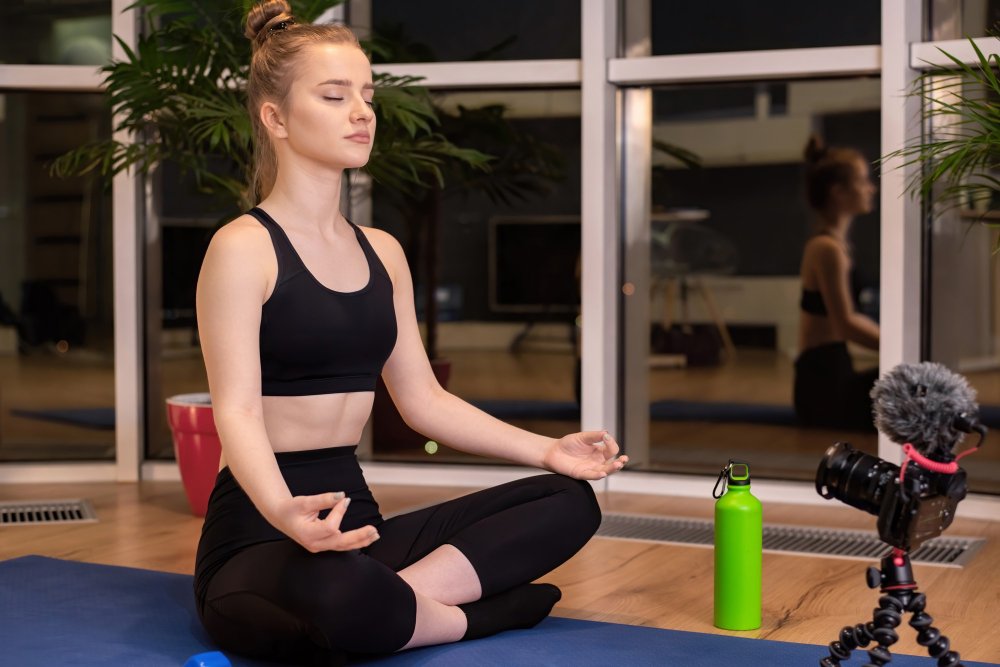
A simple meditation practice involves:
- Sitting comfortably.
- Closing your eyes.
- Focusing on your breath.
- Observing thoughts without judgment.
Over time, mindfulness becomes a powerful tool for managing everyday challenges.
9. Listen to Your Body
One of the most valuable lessons yoga teaches is body awareness.
Your body constantly provides feedback about:
- Fatigue
- Tension
- Recovery needs
- Physical limitations
Learning to recognize these signals helps prevent injuries and encourages long-term progress.
If you experience pain during a pose:
- Stop immediately
- Modify the position
- Use supportive props
- Consult a qualified instructor if needed
Yoga is about growth, not forcing the body beyond its capabilities.
10. Progress at Your Own Pace
Many practitioners become discouraged when they cannot immediately perform advanced yoga poses.
Remember that yoga is a personal journey.
As your flexibility, balance, and strength improve, gradually explore more challenging poses such as:
- Crow Pose
- Headstand
- Wheel Pose
- King Pigeon Pose
- Handstand Preparations
Progress should always be safe and controlled.
Celebrate small achievements and recognize that every improvement contributes to long-term success.
Additional Habits for a Healthier Lifestyle
Combining yoga with other healthy habits can further enhance your overall well-being.
Get Adequate Sleep
Quality sleep is essential for recovery, muscle repair, and mental health.
Aim for:
- 7–9 hours of sleep each night
- Consistent sleep schedules
- Reduced screen time before bed
Stay Physically Active Throughout the Day
In addition to yoga:
- Walk regularly
- Take stretching breaks
- Use stairs when possible
- Participate in recreational activities
Small daily movements contribute significantly to overall fitness.
Manage Stress Effectively
Chronic stress negatively impacts physical and mental health.
Yoga, breathing exercises, and meditation can help regulate stress levels and promote relaxation.
Practice Gratitude
Maintaining a positive mindset can improve emotional well-being and motivation.
Consider keeping a gratitude journal and reflecting on positive experiences each day.
Common Yoga Mistakes to Avoid
To get the most from your yoga practice, avoid these common mistakes:
Skipping Warm-Ups
Always prepare your muscles and joints before entering deeper poses.
Holding Your Breath
Breathing should remain smooth and controlled throughout every movement.
Comparing Yourself to Others
Every body is different. Focus on your personal journey and progress.
Ignoring Pain
Discomfort from stretching is normal, but sharp pain is a warning sign.
Practicing Inconsistently
Regular practice delivers the best results over time.
Benefits of Long-Term Yoga Practice
When practiced consistently, yoga offers lasting benefits that extend far beyond the mat.
Physical Benefits
- Increased flexibility
- Improved strength
- Better balance
- Enhanced posture
- Greater mobility
- Reduced risk of injury
Mental Benefits
- Lower stress levels
- Improved concentration
- Better emotional regulation
- Enhanced self-confidence
- Greater mental clarity
Lifestyle Benefits
- Increased energy
- Better sleep quality
- Healthier habits
- Improved productivity
- Greater overall well-being
These benefits accumulate gradually and can significantly improve your quality of life.
Conclusion
Yoga is one of the most effective ways to create a healthier, more active lifestyle. By combining physical movement, mindful breathing, strength training, flexibility work, and meditation, yoga provides a complete approach to wellness that benefits both the body and mind.
Following these expert yoga fitness tips can help you develop a sustainable routine that improves your strength, flexibility, balance, and overall health. Remember that consistency, patience, and self-awareness are key to long-term success.
Whether your goal is to become stronger, reduce stress, improve mobility, or simply live a healthier life, yoga offers a path that supports lifelong wellness. Start where you are, practice regularly, and embrace the journey toward a more active, balanced, and fulfilling lifestyle.